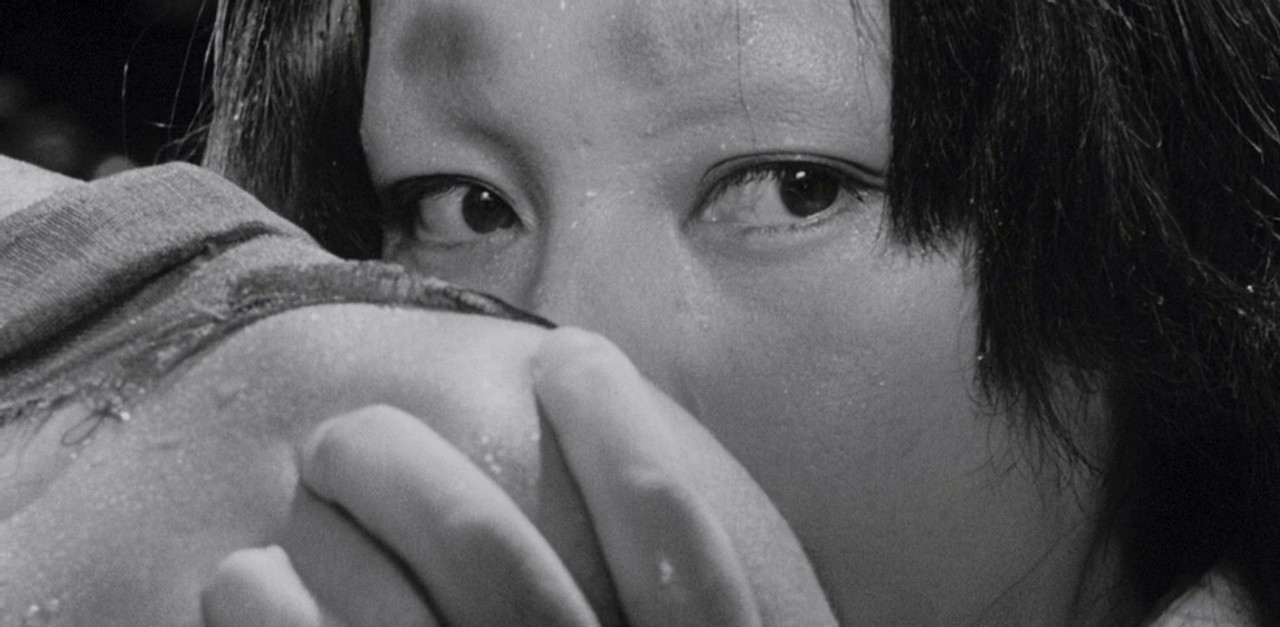
羅生門 (Rashomon) 1950 M (FREE)
Sunday, February 1, 2026
From 12:30 pm
GOMA
Presented by Queensland Art Gallery / Gallery of Modern Art
Event Details
In Akira Kurosawa’s electrifying masterpiece truths are neither black nor white, and questions about the lightness and darkness of human nature permeate every frame.
Sheltering from a downpour in the ruined Rashomon gatehouse in Kyoto, a woodcutter (Takashi Shimura) and a priest (Minoru Chiaki) relate a troubling and mysterious crime to a peasant (Kichijiro Ueda). In a police court, four people have given conflicting first-hand accounts of the murder of a samurai and the rape of his wife in the forest. Told in flashback, these unreliable narratives draw us deep into questions of the possibility of objectivity and, in turn, of justice. Upon its release in 1950, Rashomon won the Golden Lion at the 12th Venice International Film Festival as well as Best Foreign Language Film at the 24th Academy Awards, catapulting it, and Japanese cinema more broadly, onto the world stage.
As well as its radical narrative structure, Rashomon is remarkable for its impressionistic, symbolic approach to light, which alternates between the brightness of the court, the grey of the gatehouse mired in rain, and the ambiguously dappled lighting of the forest. Each form of lighting signifies a relationship to truth and morality. To achieve Kurosawa’s symbolic vision, the master cinematographer, Kazuo Miyagawa, developed groundbreaking techniques to use natural light in the film. Most notably this included shooting directly into the sun and using mirrors to reflect ever-shifting forest light on to the actors. Kurosawa wrote of Miyagawa’s cinematography that it “leads the viewer through the light and shadow of the forest into a world where the human heart loses its way”.
M | Moderate themes, Moderate violence
Event Info
- Date: Sunday, February 1, 2026
- Time: From 12:30 pm
- Venue: GOMA